


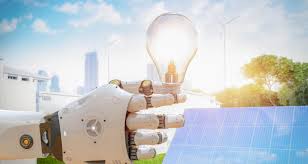
The integration of AI in energy management systems has the potential to revolutionize how we generate, distribute, and consume energy.
As the world increasingly moves towards renewable energy sources like wind, solar, and hydroelectric power, the need for efficient energy management systems becomes even more critical. AI can play a pivotal role by predicting energy demand and supply fluctuations, which is especially important for variable renewable energy sources.
Through machine learning, AI can forecast weather patterns, solar radiation, and wind speeds to optimize the output from solar panels and wind turbines, ensuring that excess energy is stored or distributed as needed. Smart grids powered by AI can analyze real-time data, identify inefficiencies in energy usage, and make real-time adjustments to reduce waste and minimize costs. Additionally, AI can help improve the performance of energy storage systems, ensuring that surplus energy generated during peak production times is available when demand is higher.
As the global focus shifts toward achieving sustainability and meeting net-zero emissions targets, AI will be indispensable in helping industries, governments, and consumers optimize energy use. By 2030, AI-driven energy management systems will be standard practice in both urban and rural settings, making our energy consumption more efficient and environmentally friendly. This shift will play a crucial role in reducing global carbon emissions and supporting a transition to a more sustainable future.






Leave a Reply