


AI-powered VR is now capable of generating dynamic environments, realistic NPCs (non-playable characters), and immersive training simulations that adapt to user behavior. The fusion of AI and VR is leading to more intelligent, personalized, and responsive digital experiences.
1. AI-Generated Virtual Worlds and Dynamic Environments
Traditionally, VR environments were manually designed, limiting their adaptability. AI-driven procedural generation now allows VR worlds to evolve in real-time based on user interactions. This is particularly useful in applications like architecture and real estate, where AI can auto-generate 3D structures based on user preferences.
2. AI-Powered NPCs for More Realistic VR Interactions
In VR gaming and simulations, AI is revolutionizing NPC behavior. Instead of pre-scripted responses, AI-powered characters can engage in dynamic conversations, learn from interactions, and respond intelligently. This makes VR storytelling more immersive, where AI characters remember past interactions and adapt accordingly.
3. AI-Enhanced VR Training and Simulations
Industries such as healthcare, aviation, and military training are leveraging AI-powered VR for skill development. AI-driven simulations allow trainees to practice complex scenarios with adaptive difficulty levels. For example, in medical VR training, AI monitors user performance and adjusts scenarios to challenge their decision-making skills in real-time.
4. AI for VR Personalization and Emotional Intelligence
AI is making VR more personalized by analyzing user preferences and emotions. AI-driven VR fitness apps, for instance, adjust workout intensity based on user performance. Similarly, AI in social VR platforms can analyze facial expressions and body language, enabling more realistic and emotionally aware virtual interactions.
5. The Future of AI in VR: Hyper-Realistic and Sentient Virtual Worlds
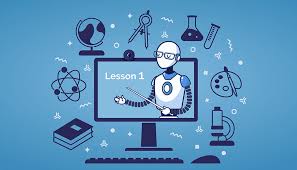
The future of AI in VR lies in hyper-realistic environments, where AI can simulate real-world physics, weather conditions, and even emotional intelligence. Future AI-powered VR applications will feature lifelike avatars, AI-driven VR teachers, and fully immersive metaverse experiences where AI tailors entire digital ecosystems to individual users.
Conclusion
AI is pushing VR beyond just entertainment, making it a powerful tool for business, training, and social interactions. As AI algorithms become more advanced, VR will continue to evolve into intelligent, interactive digital spaces that feel more lifelike than ever before.







Leave a Reply