


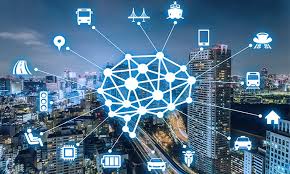
AI is playing a key role in the development of smart cities, making urban areas more efficient, sustainable, and livable.
AI-driven traffic management systems can analyze real-time traffic data, optimize signals, and reduce congestion in major cities. Public transportation systems are also leveraging AI to predict peak hours, adjust schedules, and improve efficiency.
AI-powered waste management solutions use sensors and robotics to optimize garbage collection and recycling, reducing pollution. In terms of energy consumption, AI is helping cities transition to renewable energy sources by predicting energy demands and managing grids more efficiently.
AI-driven surveillance and facial recognition systems are also enhancing security, though concerns about privacy and mass surveillance remain a challenge. As urban populations continue to grow, AI’s role in urban planning, infrastructure development, and environmental sustainability will be vital for creating smarter, greener, and safer cities.







Leave a Reply