


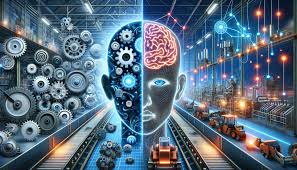
Introduction AI and automation are no longer just buzzwords—they are reshaping industries and the workforce at an unprecedented rate.
From manufacturing to healthcare, AI-powered automation is enhancing efficiency, cutting costs, and allowing businesses to scale. But what does this mean for the workforce? Let’s dive into the trends and the potential impacts of AI and automation.
AI in the Workforce: Trends and Applications
- AI in Manufacturing: Smart factories are becoming the norm, where robots equipped with AI perform tasks ranging from assembly to quality control. These machines reduce human error and increase production speed, significantly improving productivity.
- Healthcare Automation: AI-powered systems are assisting doctors in diagnosing diseases, tracking patient progress, and automating administrative tasks. With machine learning algorithms analyzing patient data, AI is streamlining healthcare workflows and improving patient outcomes.
- Customer Service Chatbots: AI-driven chatbots and virtual assistants are improving customer service in sectors like e-commerce, banking, and telecommunications. These tools can resolve customer issues 24/7, reducing wait times and enhancing customer satisfaction.
The Impact on Jobs and Skills
- Job Displacement: As automation and AI technologies become more widespread, certain jobs, especially in areas like manual labor and data entry, are at risk of being displaced. However, this shift is also opening doors to new career paths in tech, AI development, and data science.
- Up-skilling and Re-skilling: To stay competitive, the workforce will need to adapt. AI is driving the demand for new skills, with emphasis on programming, data analysis, and understanding machine learning concepts. Governments and businesses are investing in training programs to help workers up-skill.
Ethical Considerations and the Future of Work
- Bias in AI: AI systems are only as good as the data they’re trained on. If biases in data exist, they can lead to unfair or discriminatory decisions in areas like hiring and law enforcement.
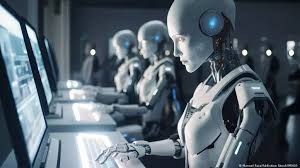
- Collaboration Between Humans and AI: In the future, humans and AI will likely collaborate more closely. AI will handle repetitive, data-driven tasks, while humans will focus on creative, strategic, and emotional aspects of work.
Conclusion AI and automation are undeniably transforming industries and the workforce. The key to a successful future lies in addressing ethical challenges, supporting workers through reskilling initiatives, and ensuring that AI enhances human potential rather than replacing it.






Leave a Reply