


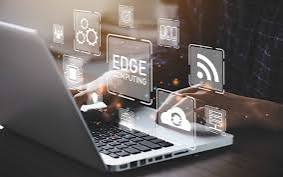
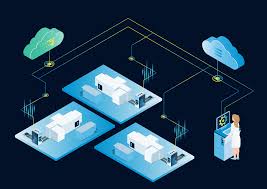
Enter edge computing—a revolutionary paradigm that brings computation and data storage closer to the source of data generation. Unlike conventional cloud computing, which relies on centralized data centers, edge computing processes data on local edge devices such as IoT sensors, mobile phones, and smart gateways. This shift significantly reduces the time required for data to travel to distant cloud servers and back, thereby enhancing performance and efficiency. Organizations leveraging edge computing are experiencing immense benefits, from reducing bandwidth consumption to improving security and ensuring faster response times. In industries like healthcare, autonomous vehicles, and manufacturing, edge computing is driving innovations that were once deemed impossible. For example, in healthcare, real-time patient monitoring devices can analyze critical data instantaneously, alerting doctors and healthcare professionals to life-threatening conditions without the delays caused by cloud-dependent processing. Similarly, in autonomous vehicles, edge computing ensures split-second decision-making, preventing accidents and improving road safety. These advantages make edge computing an essential component in the next era of digital transformation.One of the primary drivers behind the rapid adoption of edge computing is the explosive growth of the Internet of Things (IoT). As billions of devices become interconnected, the sheer volume of data generated poses a significant challenge for traditional cloud infrastructure. IoT devices require real-time analytics and immediate responses, which cloud computing alone cannot always provide due to latency and bandwidth limitations. Edge computing enables IoT devices to process critical data locally, sending only relevant insights to centralized systems for further analysis. This decentralized approach not only conserves network bandwidth but also enhances the reliability and efficiency of IoT applications. Additionally, edge computing plays a crucial role in enhancing data security and privacy by keeping sensitive information closer to the source rather than transmitting it across vast networks. With growing concerns about cybersecurity and data breaches, organizations are increasingly recognizing the value of edge computing in minimizing exposure to potential threats. In smart cities, edge computing powers real-time traffic management systems, smart grids, and public safety monitoring, ensuring seamless and intelligent urban infrastructure. Businesses deploying edge solutions benefit from increased operational agility, improved customer experiences, and cost savings, further solidifying edge computing’s position as a game-changer in the tech industry.Despite its numerous advantages, edge computing also presents challenges that must be addressed for its full potential to be realized. One major hurdle is the complexity of managing a distributed infrastructure, as edge environments involve numerous devices operating in diverse and often remote locations. Ensuring seamless connectivity, software updates, and system maintenance across these edge nodes requires sophisticated orchestration tools and robust network architectures. Additionally, while edge computing reduces latency, it also necessitates powerful local processing capabilities, which may increase costs for organizations that need to deploy high-performance edge hardware. Security is another concern, as edge devices can be more vulnerable to physical and cyber threats compared to centralized data centers. As edge adoption continues to grow, companies must prioritize robust security protocols, including encryption, access controls, and AI-driven threat detection mechanisms. Moreover, regulatory and compliance challenges must be carefully navigated, particularly in industries handling sensitive information such as finance and healthcare. Despite these obstacles, the future of edge computing looks promising, with advancements in AI, 5G connectivity, and decentralized architectures driving its evolution. As technology continues to evolve, edge computing will become an indispensable component of the digital ecosystem, empowering businesses and individuals with faster, smarter, and more efficient computing capabilities than ever before.
The Rise of Edge Computing: Transforming the Future of Data Processing








Leave a Reply